
One dough that works with any filling!

Table of contents
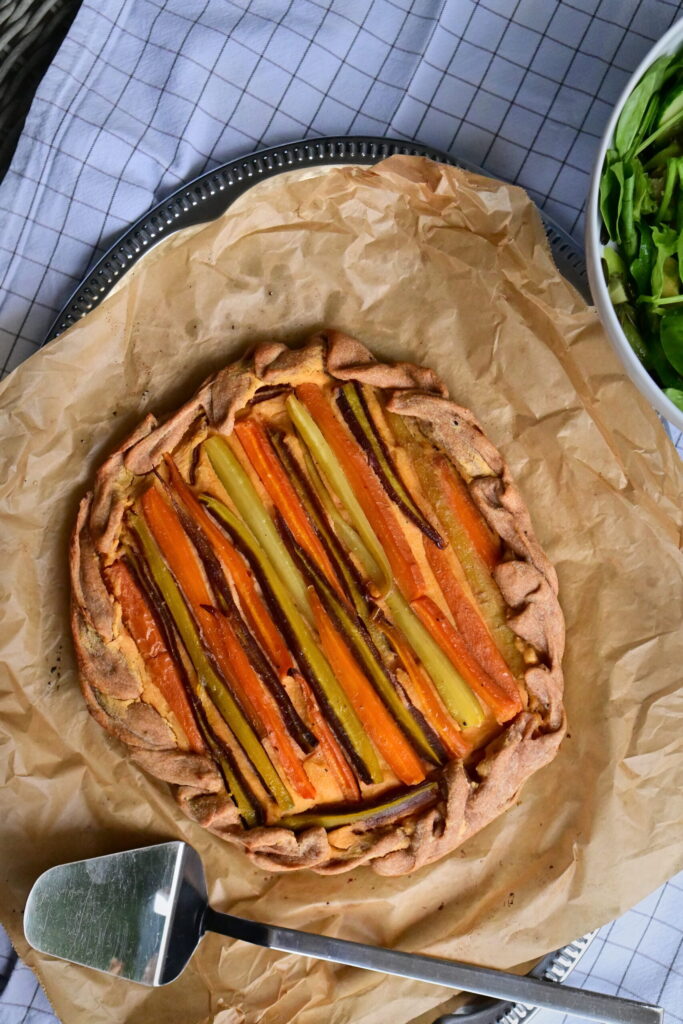
About this recipe
A galette is one of those dishes that looks far more complicated than it actually is.
The dough is especially beginner-friendly once you break it down into a few easy steps, and because it’s meant to look rustic, there’s no pressure to make it perfect.
And this is where galettes get really fun: you can change the filling completely depending on what you have and make it savory, sweet, or stuffed with your favorite vegetables.
It’s beautiful enough to serve to guests, but easy enough to make without a special occasion.
I also love that it holds up really well in the fridge, so you can make it ahead and enjoy it for several days.
Serve it warm or at room temperature with a fresh salad, and you’ve got a meal that feels much more elaborate than the effort it actually requires.

IBS & Low-FODMAP Tips:
- Spelt flour – Spelt flour contains gluten and fructans, so this recipe is not suitable for a strict gluten-free diet or for everyone during the elimination phase of a Low-FODMAP diet.
- Yogurt – Use a firm soy yogurt made from soy protein if following a Low-FODMAP diet, rather than yogurt made from whole soybeans.
- Portion size – Because several ingredients contribute to the overall FODMAP load, start with a smaller portion if you’re particularly sensitive and adjust according to your own tolerance.

Why This Galette Is Healthy
Because this galette combines carbohydrates, fats, fiber, and protein, it is more satisfying than a pastry made with a vegetable topping alone. Serve it with a large green salad or another vegetable-rich side for a balanced meal.
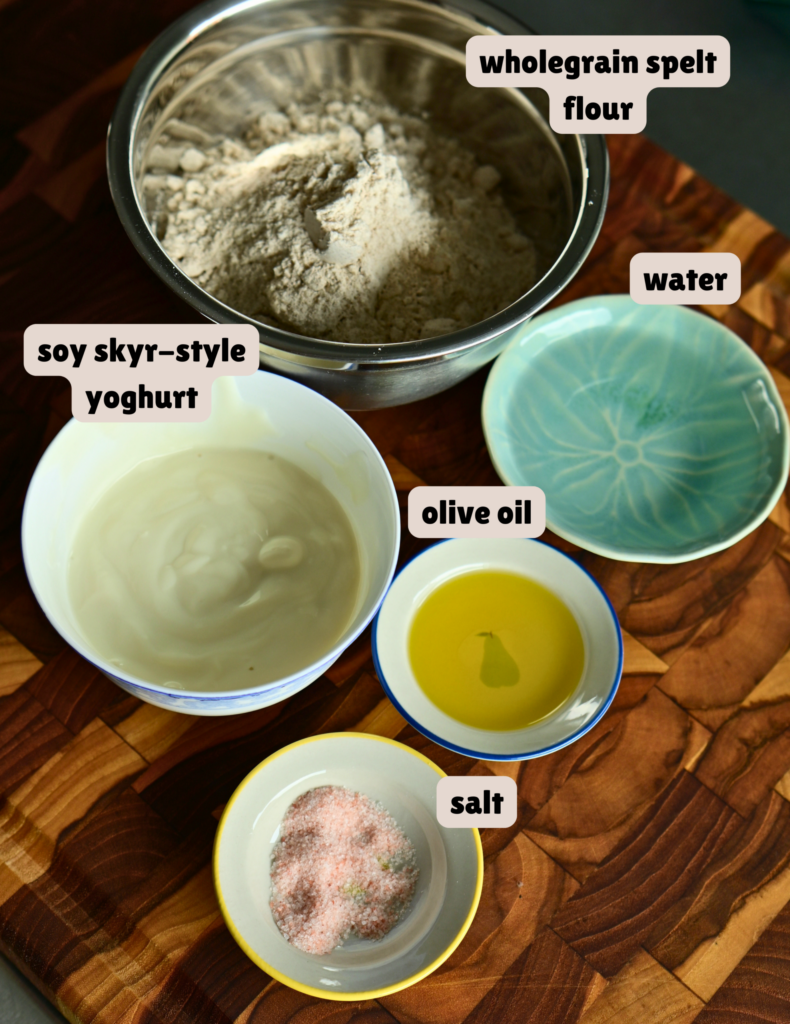
Ingredient Notes & Substitutes
Whole spelt flour – Creates a flavorful, rustic crust with more fiber and nutrients than refined white flour. It can be replaced with white flour, but the liquid amount may need adjusting.
Olive oil – Adds richness and helps create a tender, flavorful crust.
Soy skyr-style yogurt – A thick yogurt that adds moisture and tenderness to the dough. Another thick plant-based yogurt can be used.
Step-by-step short instructions



Recipe card with notes

Olive Oil & Wholegrain Spelt Galette Dough

Equipment
- Mixing Bowl
- Rolling Pin
- baking sheet
Ingredients
- 260 g whole spelt flour (see note 1 for alternative flour)
- ½ tsp salt
- ½ tbsp dry thyme (optional)
- 25 g olive oil
- 80 ml water
- 100 g soy skyr-style yogurt (or other vegan firm yoghurt)
Instructions
- Combine the dry ingredients – Add the wholegrain spelt flour, salt, and thyme to a large mixing bowl. Mix with a fork or spatula until the thyme is evenly distributed throughout the flour.
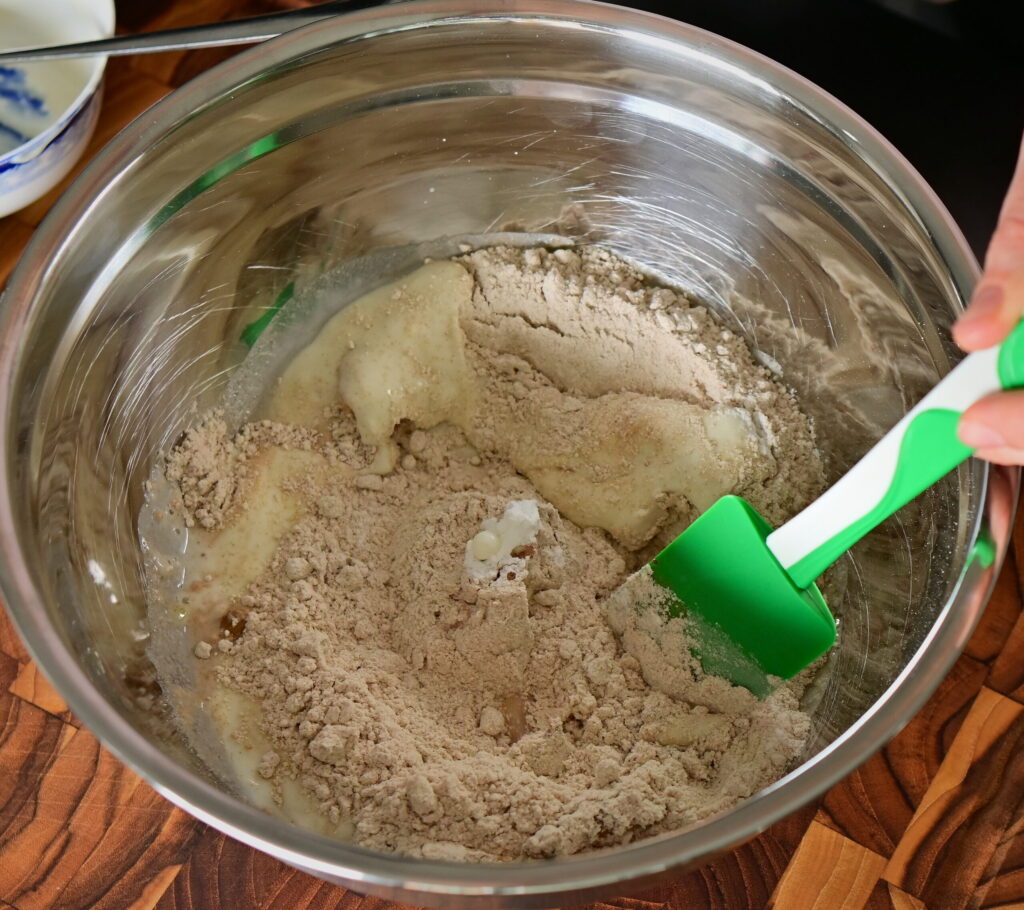
- Add the wet ingredients – Add the water, olive oil, and firm soy yogurt. Mix until the ingredients begin coming together into a rough dough. It may look a little uneven at first, which is completely fine.
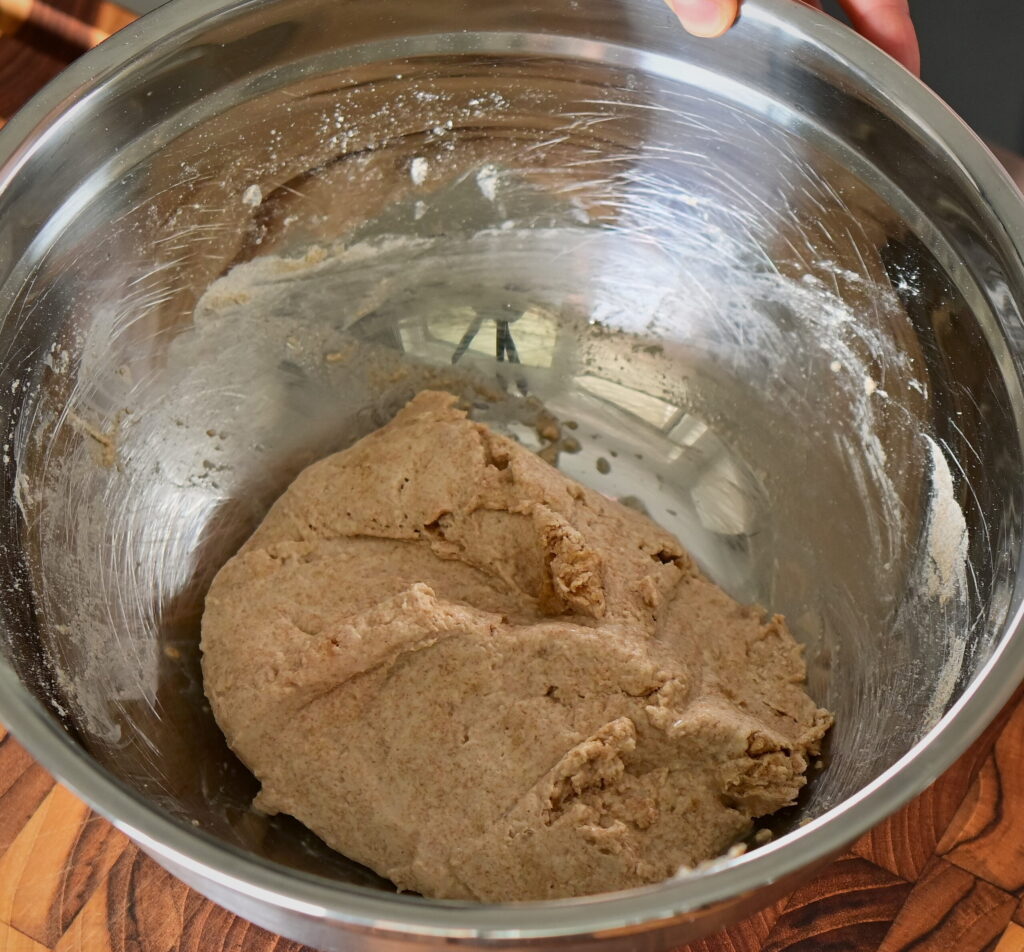
- Bring the dough together – Use your hands to gather the dough, scraping up any flour remaining at the bottom and sides of the bowl. Continue until you have one cohesive piece of dough.
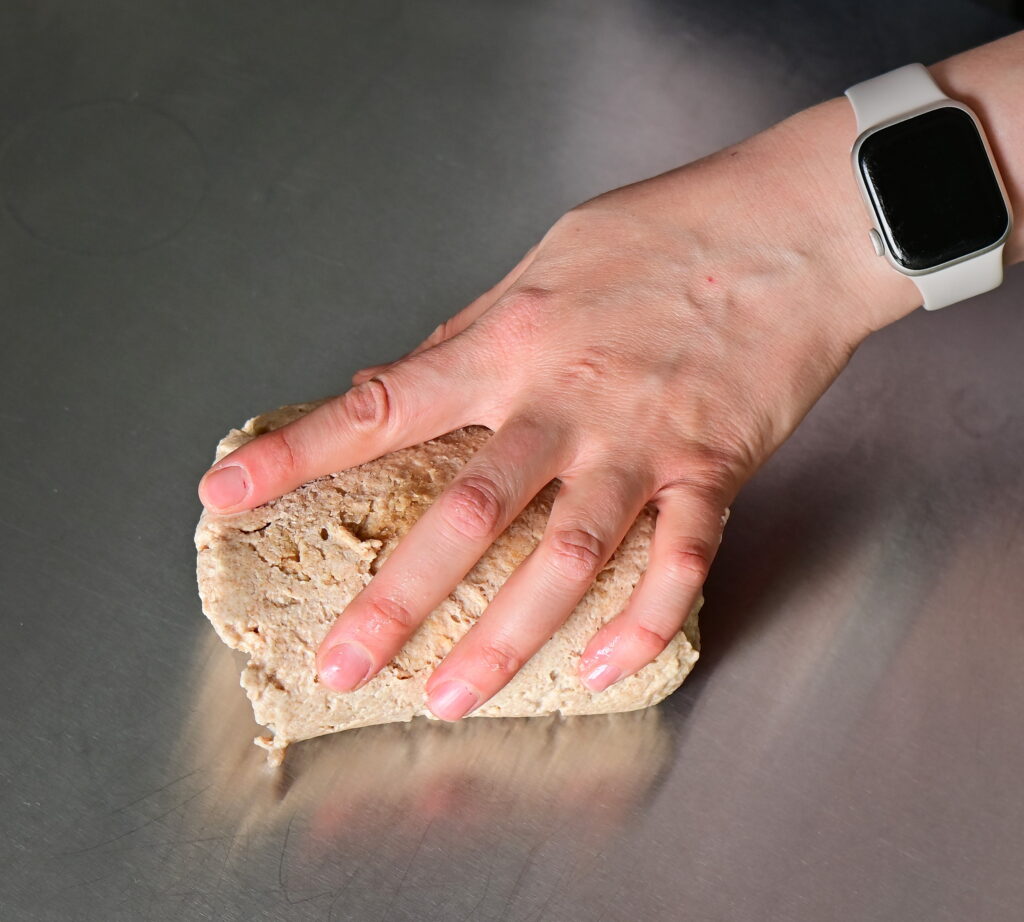
- Knead the dough – Lightly flour your work surface and transfer the dough onto it. Using the fingers of your dominant hand, press down on the edge of the dough closest to you, while using the heel of your other hand to stretch the dough forward from the center. Roll it back, turn it 90 degrees, and repeat. You can also knead it using another technique that feels more comfortable—the important part is to work the dough enough to develop the gluten.
- Shape the dough – Once the dough feels smoother and more elastic, shape it into a ball. You don't need to knead it for a long time; the goal is simply to bring the dough together and develop enough gluten for it to roll out easily.
- Roll out the dough – Add a medium-to-generous amount of flour to your work surface and lightly flour both the dough and rolling pin. Roll the dough out, continuously rotating and moving it so it doesn't stick and gradually forms a rough circle. You can make the edges slightly thinner than the center.Aim for the right thickness – Roll the dough to approximately 0.5 cm (¼ inch) thick. If the dough feels too sticky to handle, place it between two sheets of lightly floured parchment paper and continue rolling.
- Use immediately or fill – The dough is now ready to fill and bake. For a savory version, try it with roasted vegetables, mushrooms, creamy sauces, or cheese alternatives. For a sweet galette, omit the thyme and fill it with fruit or another sweet filling.
Notes
- Flour: I love using wholegrain spelt flour because I find it more flavorful and nutritious. You can replace it with white flour or another wholegrain flour, but spelt absorbs a lot of liquid, so the amount of flour and water may need adjusting.
- Yogurt: I use a very thick soy yogurt, similar to skyr. You can replace it with another thick plant-based yogurt. Applesauce can also work as an alternative, although it will slightly change the texture.
- Sweet galette: Omit the thyme when using this dough for a sweet filling. You can also add a small amount of sugar if you want a sweeter crust.
- Make ahead: You can prepare the dough ahead of time and keep it refrigerated until you’re ready to roll it out. Let it sit at room temperature briefly if it becomes too firm to roll.
- Gluten-Free: The dough contains gluten. I believe it could be adapted using a gluten-free flour blend suitable for baking, but I haven’t tested this substitution myself.





Pingback: Glazed Carrots & Gochujang Béchamel Galette